

What is Postpartum Renewal?
If you ever had a baby, this care is for you. It does not matter if you are 25, 45, or 65 you need to experience postpartum renewal.
In our culture postpartum care to help the mother’s body navigate a return to a non-gravid status is absent. Because of this I commonly hear “Ever since I had a baby XXX” a particular symptom has been present. Maybe it is back or pelvic pain, or sciatica, or varicose veins, or fullness in the vagina, or difficulty holding pee, or difficulty conceiving, or not being able to have an orgasm, or constipation, or diastasis recti. Whatever it is, it is kind of annoying, but the new normal, and not bad enough to interrupt your busy life. Plus, where would you go for help? Maybe you tried physical therapy, or chiropractic, or acupuncture and it helped for a while but now the symptoms have come back. Or maybe something new has happened like having another baby, or an injury, or weight gain or loss, or menopause and the symptoms are worse. It does not matter if you are 6 months postpartum, or 60 years postpartum. You can still benefit from postpartum care.
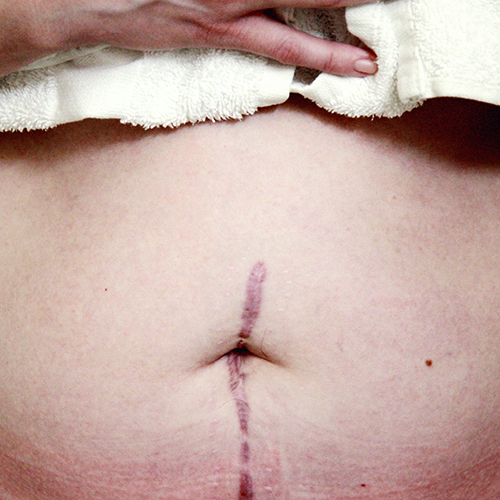 Postpartum care uses manual therapy to optimize the transverse planes, and the position and function of the abdominal organs and the pelvic bowl. This combines elements of chiropractic, the Barral technique of visceral manipulation, lymphatic drainage, vascular manipulation, Holistic Pelvic Care, and intrapelvic myofascial care.
Many times, there will also be an energy or emotional component that is related to postpartum renewal. Because pregnancy, pregnancy loss, and birth can be very traumatic it is important not just to consider the physical body in need of healing, but the emotional and energetic bodies also.
From a physical perspective, pregnancy requires that the ascending and descending colon be rolled out. The respiratory diaphragm is pushed up along with the stomach and the lungs. Bearing down associated with constipation or labor can cause a shift in the opposite direction. The kidneys can be pushed down in their fascial funnel, the ovaries can be pushed down, and of course most people are quite familiar with the uterus, bladder, and rectum getting pushed down with birth.
The energy and emotional body are transformed in pregnancy and birth. A woman’s relationship with herself, her partner, her other children shift. A woman’s energy body expands to bear the child, and if the release of the child is traumatic that can cause a tearing in the energy field and make healing difficult.
We just assume everything will go back to “normal” after having a baby. But it generally does not. In the postpartum, women are often extremely focused on the needs of their baby and small children. They lift things that are too heavy and put their body in awkward positions to meet the needs of the children without too much concern for their own well-being. This can make it difficult to heal in the postpartum. Because the ligaments of the uterus take about six months to return to a shorter length to stabilize a non-pregnant uterus while the mom is caring for others, her own body might be struggling to stabilize.
Similarly, diastasis recti abdominus – the splitting of the front abdominal muscles – occurs often during pregnancy. Sometimes it can heal on its own. But many times, because the mom is so focused on helping others and might not be aware of proper lifting and movement and muscle firing patterns to aid in her healing, she might be doing things that make it hard for the body to heal.
In the postpartum a mom might not have a second to get to the bathroom let alone take a shower. She will often forget to eat and is up all hours of the night. This marathon makes it difficult for a mother to process the birth while the demands of everyday life are so intense. Sometimes life continues to swirl and her own needs to process birth are not addressed for months, or years, or decades. But the body remembers and holds the trauma until the mom is ready to let go.
My approach to postpartum renewal is different from most physical therapists and chiropractors. It is different not only because of the value I place on the energy and emotional bodies, but also because of the way I enter into care for the physical body. To address the physical body, I always start by assessing the fluid body by the shoulders, and then work my way down. I only do intrapelvic care after the fluid system and the visceral system is set up adequately to be able to receive and integrate the intrapelvic care. In my experience, this global approach helps to reset the body’s self-regulatory mechanisms so it is more likely that the treatments will have a long-term benefit.
Postpartum renewal at any age is about healing relationships within your body and between different aspects of your body and self. Postpartum renewal is about completion so you can move forward in your life whole.
